Run every LLC as its own set of books.
Each property carries its own entity, its own form and its own numbers, and rolls up into one portfolio view when you want it.
- properties and entities on Pro
- Unlimited
- properties included on Starter
- 5
- assignable per entity
- 2 forms
- in the portfolio tax package
- 3 sections
One portfolio, separate books
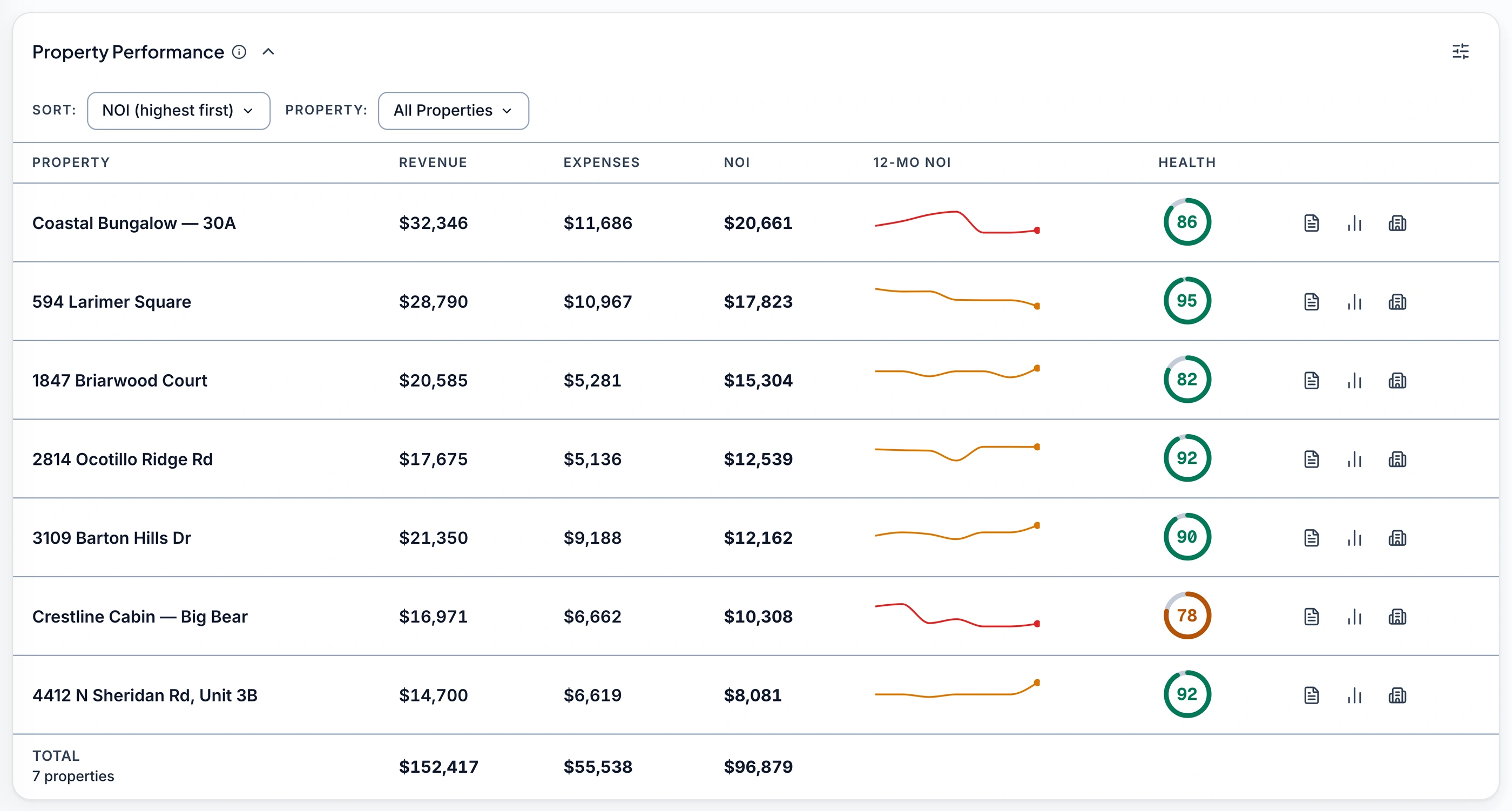
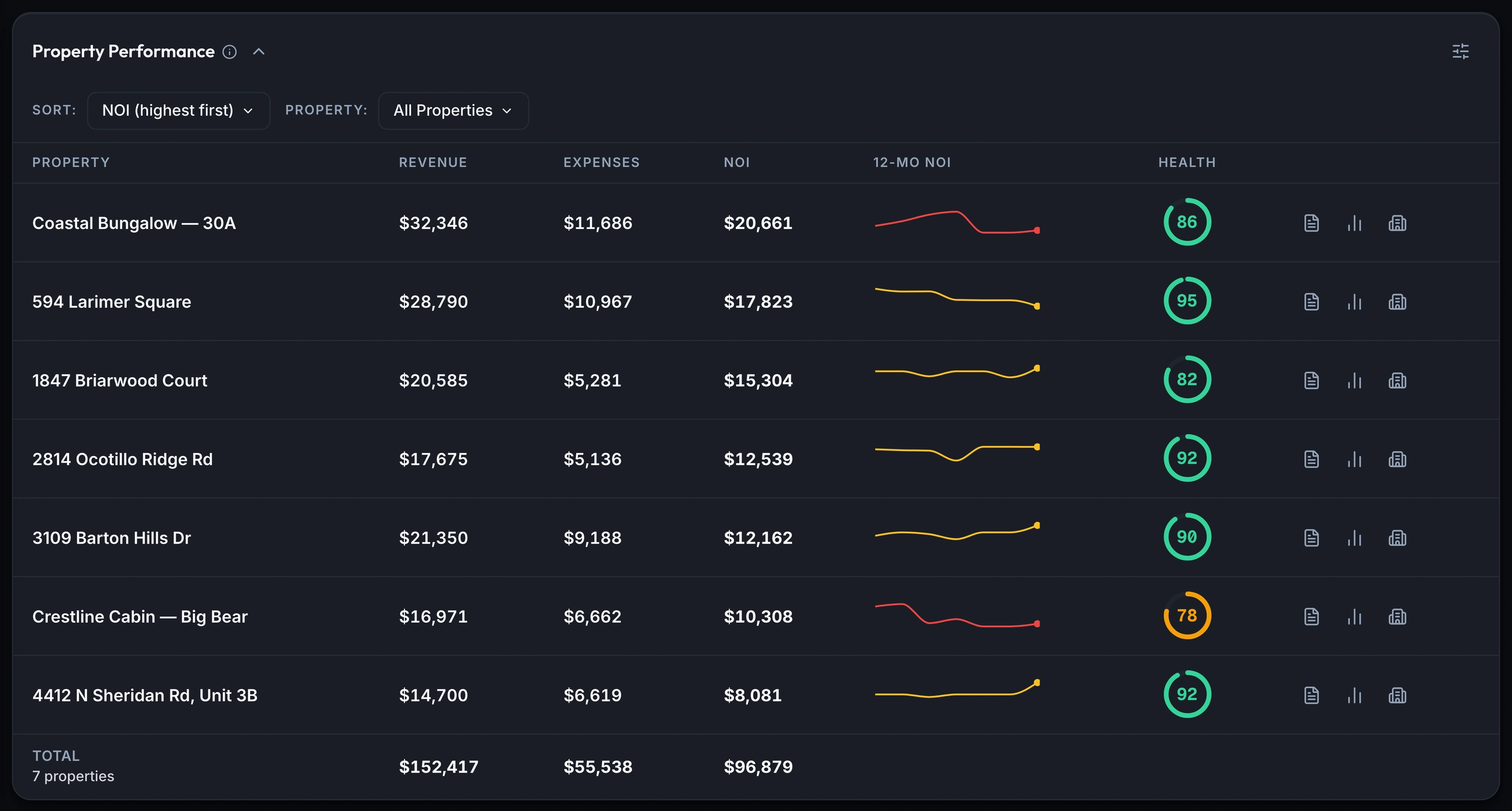
Every property is its own entity in Keystone IQ: its own ledger, its own numbers, its own place on a tax form.
- The property name routes every transaction to that entity
- Revenue, expenses and NOI computed per entity, every month
- Add an entity and it starts counting straight away
- Holding and management entities never use up a property slot
Each entity routes to its own form
Mark an entity Form 8825 or Schedule E once on the property, and every preview and export follows that choice.
- Set the form on the property itself, not at year end
- An entity you mark Form 8825 previews against Form 8825
- Choose N/A and the entity carries no form yet
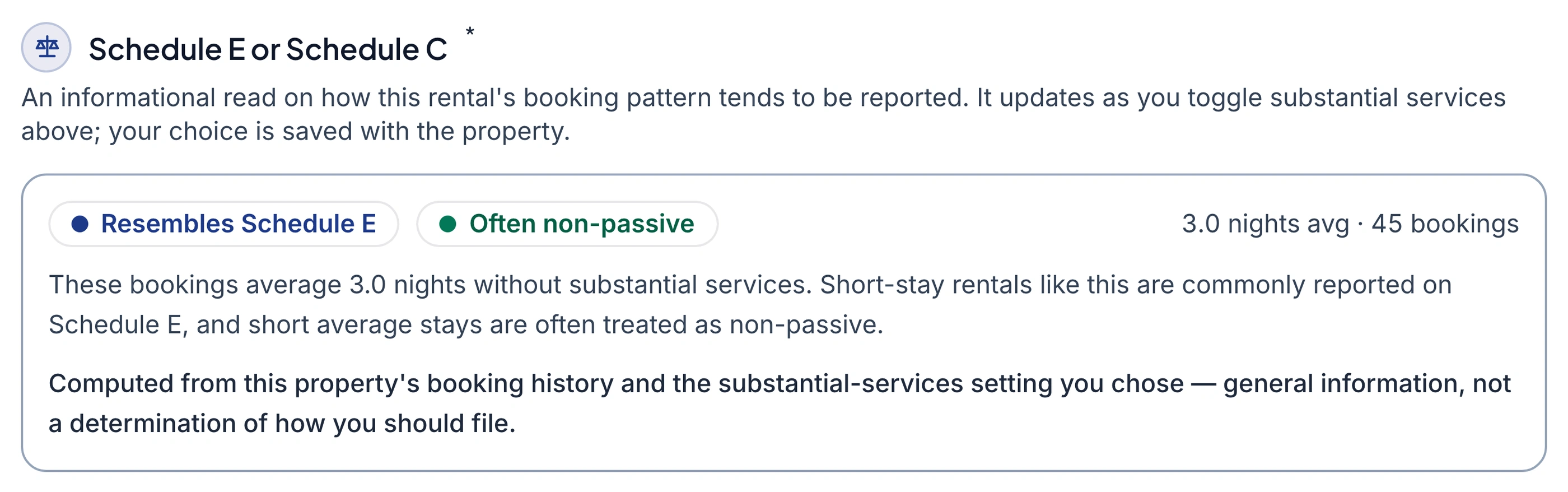
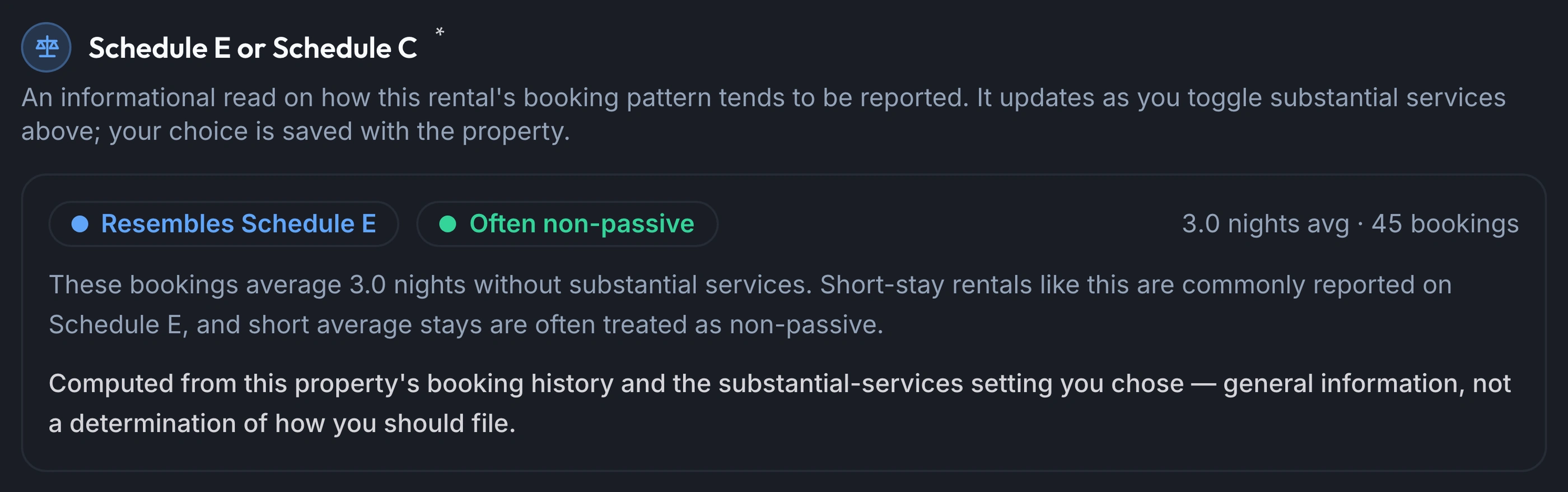
- A short-stay rental gets its own read: Schedule E or C
Roll up without merging
Group your entities and a Consolidated view appears beside them, computed from the live ledger, never a second set of books.
- Consolidated sums the entities you grouped, portfolio-wide
- Personal and holding entities are left out of it
- Nothing is copied, so there's no second ledger to keep in step
- Switch between one entity and the whole group anywhere
Keep an entity out of the totals
An entity can sit outside your portfolio totals and still keep every one of its own numbers, unchanged.
- One toggle removes it from the portfolio and Consolidated rollups
- Its own revenue, expenses and NOI stay exactly as they were
- Overhead sits on its own line, never counted twice
- Personal spending is kept off every financial and tax surface
What you get
Per-entity books
each property keeps its own ledger
Form 8825 or Schedule E per entity
set once on the property
On-screen form preview
per entity, long before year end
Consolidated rollup view
grouped entities, one set of numbers
Portfolio-total opt-out
its own numbers stay intact
Overhead kept on its own line
shared costs, never double-counted
Personal spending excluded
off every financial and tax surface
Short-stay rentals read separately
resembles Schedule E or C
Unlimited properties and entitiesPro
no cap once you're on Pro
CPA package split by formPro
8825, Schedule E and C sections
Frequently asked questions
Can I keep separate books for each of my LLCs?
Yes. Every property is its own entity, and the property name is what routes each transaction, so an entity's revenue, expenses and NOI are only ever its own. There is no shared bucket that everything falls into first, and a new entity starts counting from the moment you add it.
How does an entity get assigned a tax form?
You set it on the property itself, from a fixed choice of Form 8825 or Schedule E. An entity you mark Form 8825 previews against Form 8825, one marked Schedule E against Schedule E, and one set to N/A carries no form at all. A short-stay rental held individually can instead resemble Schedule C; that read is computed from the property's own booking history and the substantial-services setting you chose, and is shown as general information rather than a determination.
What exactly is the Consolidated view?
It is a rollup across the entities you have put in a group: one set of totals sitting beside the per-entity ones. It is computed from your live ledger each time you look at it rather than stored, so it can never drift from the entities underneath it, and personal and holding entities are left out of it by design.
If I exclude an entity from portfolio totals, do I lose its numbers?
No. That distinction is the whole point of the toggle. Excluding an entity takes it out of your portfolio and Consolidated rollups only. The entity keeps its own revenue, expenses, NOI and full transaction history, and you can open it and read them exactly as before. It is a question about what gets added up, not about what gets tracked.
How many properties and entities can I have?
Starter includes five properties; Pro is unlimited, which is usually the deciding factor once a portfolio spans more than one LLC. Holding and management entities (including the shared-overhead bucket the product provisions for you) are not rentals and never count against the Starter limit.
Does the year-end package keep my entities apart?
Yes. The package is laid out by form: a Form 8825 section, a Schedule E section and a Schedule C section, with each entity under the one its own setting points to, and an unmarked entity appearing in the transaction detail instead. Unallocated overhead gets its own section when there is any. The export is a Pro feature; setting up the entities and previewing them on screen is not.
What happens to spending that isn't tied to one property?
It has two homes, and neither of them quietly lands in a property's numbers. Portfolio-level costs (software, portfolio insurance, your accountant) sit in an Overhead entity that is shown on its own line rather than folded into NOI. Anything genuinely personal goes to a Personal entity that is kept off every financial and tax surface, while the row itself stays visible and reversible in the ledger.
Stop running one portfolio per LLC.
Give every entity its own books, its own tax form and its own numbers, and decide for yourself which of them add up together.
Join the Waitlist14-day free trial · No credit card
For informational purposes only. Keystone IQ is a software tool for record-keeping and portfolio analytics, not a tax, accounting, or legal advisory service. Consult a qualified tax advisor before relying on any figure for a filing or financial decision.